

Your writing doesn't need fixing
The case against AI-perfect copy

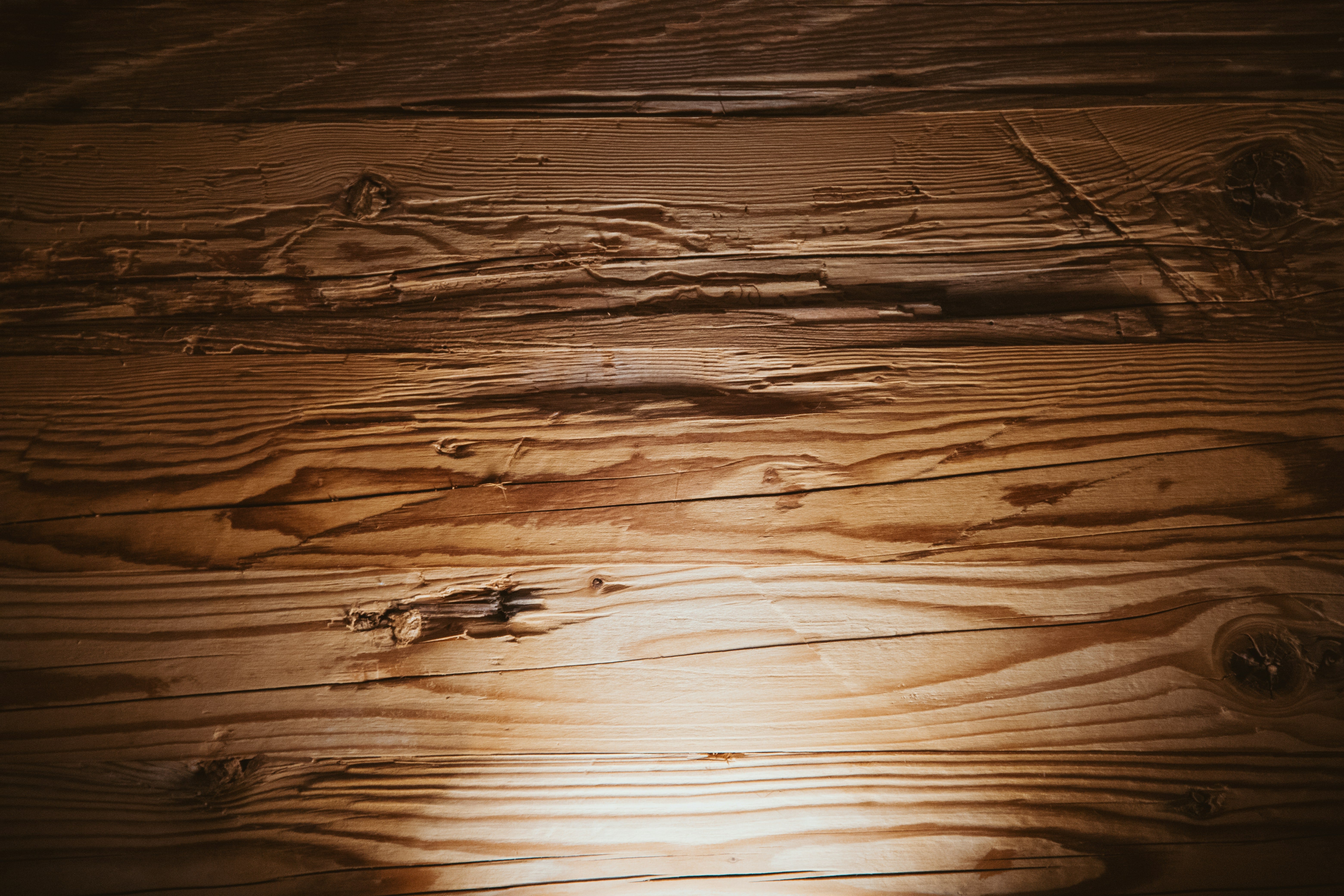
There’s a new crater on our kitchen floor, and I have no intention of sanding or filling it. Real hardwood holds stories. I’ll take original heart pine or oak over “luxury vinyl planks” any day. The weathered surface and natural variation in shape and color beat the imitation every. single. time.
Same with writing. Many people use AI in their writing process to speed up the tasks they don’t like or because they don’t think they’re great writers. Cool. The trouble is when they copy and paste the first thing AI spits out.
As a former magazine editor, I’ve learned that the parts of your writing you might worry about — the way you naturally phrase things, your quirky metaphors, your rhythm — are exactly what make it yours. Your style isn’t some blemish to cover up. Your voice doesn’t need fixing. Your drafts do.
By all means, use AI to research, bounce around ideas, or help with soul-crushing corporate content. But whether you start with AI or a blank page, good writing requires multiple drafts.
Readers can tell when a first draft is copied and pasted straight from a chatbot into web copy, social posts, business proposals, and emails. The signs of AI go beyond sentence structure and em dashes. Lines written solely by AI are polished but hollow. There’s no voice, no point of view, just sameness.
Magic rarely happens on the first draft or prompt. It happens after you’ve killed your darlings, reworked the lede a dozen times, followed up with an expert for an actionable insight, and edited for clarity and flow. Writers know a bad first draft is where you start, not where you finish. Think of AI as a creative partner, fine, but stop using it as a cheat code if you want your work to connect with actual people.
Part of my motivation in talking about this is selfish. I don’t want to read in a world where everyone’s tone and rhythm sound the same any more than I want to live in a home without natural materials. It just doesn’t feel good.
I also hate seeing anyone abandon their own voice because they think it’s not good enough. We’ve already traded authentic images for filtered perfection in our social media feeds. Now we’re doing the same with words by substituting AI for our own voices. Both feel off because they’re trying to pass for real.
If writing isn’t your craft or you can’t afford to spend time laboring over words, I get it. Just know that readers prefer your messy truths to the veneer of perfection.
Full disclosure: I wrote this while standing on LVP in my office.